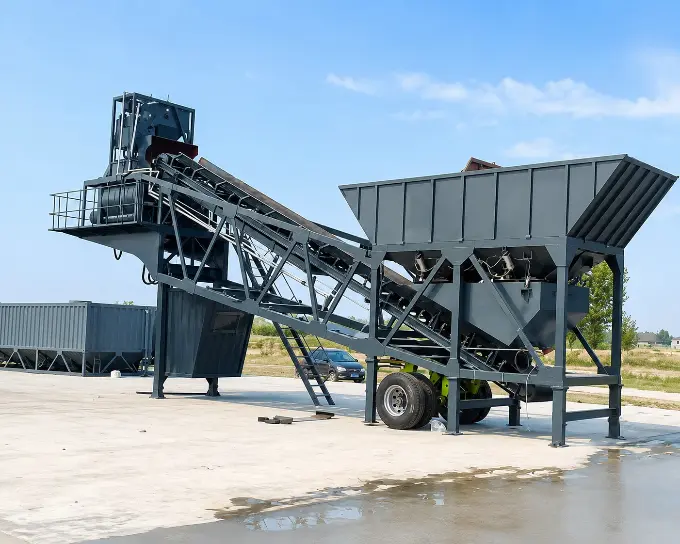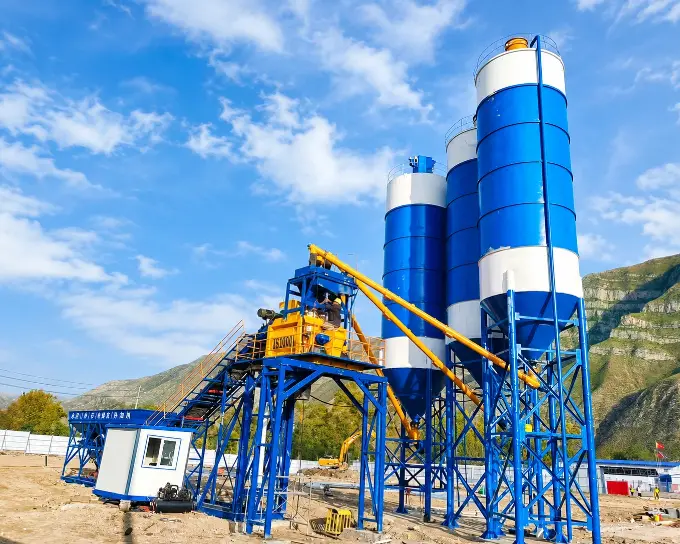
If you are planning to purchase a concrete batching plant in 2026, one of the first questions is: How much does a concrete batching plant cost?
The price depends on several factors, including production capacity, mixer configuration, automation level, cement silo capacity, aggregate feeding system, and installation requirements. A small batching plant for a local construction project requires a different investment from a high-capacity plant designed for commercial ready-mix concrete production.
In addition to the equipment purchase price, buyers should consider shipping, customs duties, site preparation, installation, commissioning, and other project expenses.
In this guide, Shanghe Machinery explains the main factors affecting concrete batching plant prices, compares different capacity options, and outlines how to estimate the total investment for your project.
1. How Much Does a Concrete Batching Plant Cost in 2026?
The price of a concrete batching plant varies according to its rated capacity, configuration, manufacturer, and delivery terms.
For preliminary budgeting, the following table provides indicative market price ranges for stationary concrete batching plants in 2026.
Concrete Batching Plant Price by Capacity
| Plant Model | Rated Capacity | Indicative Equipment Price (USD) |
|---|---|---|
| HZS25 | 25 m³/h | $20,000–$35,000 |
| HZS35 | 35 m³/h | $25,000–$45,000 |
| HZS50 | 50 m³/h | $35,000–$60,000 |
| HZS60 | 60 m³/h | $45,000–$80,000 |
| HZS75 | 75 m³/h | $55,000–$100,000 |
| HZS90 | 90 m³/h | $70,000–$130,000 |
| HZS120 | 120 m³/h | $100,000–$180,000 |
| HZS180 | 180 m³/h | $150,000–$300,000+ |
Important: These figures are indicative market estimates for preliminary budgeting, not a Shanghe Machinery quotation or a verified price list for every configuration. Actual supplier quotations may fall outside these ranges. Confirm the equipment scope, included accessories, trade terms, and delivery costs before comparing offers.
HZS25–HZS35: Small-Capacity Concrete Batching Plants
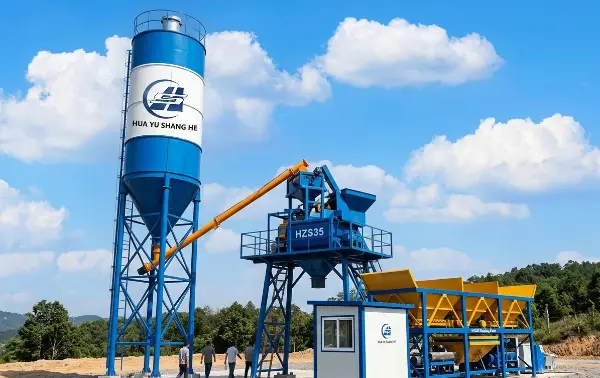
HZS25 and HZS35 plants are worth considering for small construction projects, residential developments, rural roads, and contractors who need to produce concrete for their own projects.
Their relatively compact production systems may help control initial equipment investment. The final price depends on the mixer, aggregate batching system, cement storage, and control configuration.
These models may suit buyers who prioritize a lower initial investment over high-volume production.
HZS50–HZS75: Medium-Capacity Concrete Batching Plants
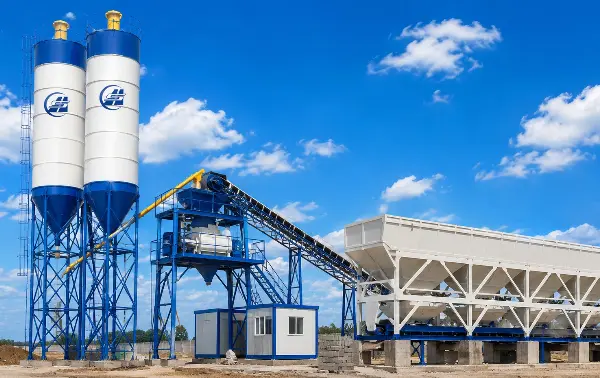
HZS50, HZS60, and HZS75 models can be suitable for medium-sized construction projects and local ready-mix concrete operations.
When evaluating these models, consider not only the purchase price but also the number of concrete mixer trucks, daily demand, material supply, and expected operating hours.
A well-matched medium-capacity plant can provide a practical balance between production capability and investment cost.
HZS90–HZS120: Large-Capacity Concrete Batching Plants

HZS90 and HZS120 plants are designed for projects requiring higher production output, including commercial developments, industrial facilities, roads, and infrastructure construction.
Their total investment can be influenced by the mixer configuration, aggregate storage capacity, cement silos, automation system, and supporting equipment.
For ready-mix businesses, the right model should be selected according to expected sales volume and peak production demand rather than rated capacity alone.
HZS180: High-Capacity Concrete Batching Plants

An HZS180 concrete batching plant may be suitable for large infrastructure projects and commercial operations with substantial, consistent concrete demand.
In addition to the main plant, buyers should evaluate aggregate supply, cement storage, transportation, electrical infrastructure, and site layout.
A high-capacity plant requires more careful investment planning. Purchasing a larger model does not automatically produce a better return if actual demand is insufficient.
2. What Factors Affect Concrete Batching Plant Prices?
Two concrete batching plants with the same rated capacity can have different prices because their configurations and included equipment may differ significantly.
Understanding the following factors will help you compare quotations more accurately.
1. Production Capacity
Capacity is one of the main factors affecting equipment price.
A 25 m³/h plant generally requires a smaller production system than a 120 m³/h or 180 m³/h plant. Larger models may need bigger mixers, higher-capacity aggregate batching systems, more substantial conveying equipment, and greater installed power.
However, capacity should not be the only consideration. The best plant is one that matches your expected production requirements.
2. Mixer Type and Configuration
The mixer is a core component of a concrete batching plant.
Twin-shaft mixers are widely used in commercial concrete production. The appropriate mixer size and configuration depend on the plant model, required output, concrete mix design, and production cycle.
When comparing quotations, confirm the mixer model, rated discharge capacity, mixing cycle, and included wear parts.
3. Automation and Control System
The control system affects both the initial price and the plant’s operating workflow.
Common configurations include:
- Manual control for relatively simple production requirements.
- Semi-automatic control for operations requiring a combination of operator input and automated processes.
- Fully automatic control for recipe management, batching operations, and production monitoring.
A more advanced system may reduce manual intervention and improve process consistency, depending on the equipment design and operator training.
Choose the automation level according to your production volume, labor availability, and quality-control requirements.
4. Cement Silos and Storage Capacity
Cement silos store cement and help maintain a consistent supply to the batching system.
The number and capacity of silos depend on daily cement consumption, delivery frequency, and the types of cement or supplementary materials used.
A plant supplied with larger or additional silos will generally have a different equipment cost from a basic configuration.
When requesting a quotation, specify your preferred silo capacity and whether you need storage for cement, fly ash, or other powder materials.
5. Aggregate Feeding and Conveying Systems
Aggregate feeding systems transport sand and stone to the mixer.
Depending on the plant design, the system may use a skip hoist or belt conveyor. The appropriate configuration depends on plant capacity, site layout, material handling requirements, and the desired production workflow.
Buyers should confirm the number of aggregate bins, individual bin capacities, conveyor specifications, and included feeding equipment.
6. Brand and Quality of Components
Electrical components, motors, weighing systems, sensors, and other parts can affect the total price.
When comparing manufacturers, evaluate the technical specifications and availability of replacement parts rather than relying on price alone.
A quotation should clearly identify the main components, applicable warranties, and after-sales support arrangements.
3. What Additional Costs Should You Include in Your Budget?
The equipment price is only one part of the total project investment.
For international buyers, the final cost of a concrete batching plant may include the following expenses.
Shipping and Transportation
International freight depends on the equipment dimensions, shipping configuration, destination port, and prevailing freight rates.
You may also need to budget for cargo insurance, port handling, customs clearance, and inland transportation from the destination port to your construction site.
When requesting an export quotation, confirm whether the price is EXW, FOB, CIF, or based on another agreed Incoterm.
Foundation and Site Preparation
A concrete batching plant may require foundation work, drainage, access roads, aggregate storage areas, and other site preparation.
The actual requirements depend on the plant design, soil conditions, local engineering standards, and installation layout.
Installation and Commissioning
Installation expenses may include mechanical assembly, electrical connections, commissioning, operator training, and technical assistance.
Confirm which services are included in the supplier’s quotation and which must be arranged locally.
Supporting Equipment
Depending on your project, additional equipment may include:
- Cement silos and screw conveyors
- Wheel loaders and aggregate handling equipment
- Concrete mixer trucks
- Backup generators or electrical infrastructure
- Dust collection systems
- Spare parts and maintenance tools
Not every project requires all these items. Your equipment list should reflect the intended production process and site conditions.
Import Duties and Local Taxes
Import duties, VAT, customs fees, and other charges depend on the destination country and applicable regulations.
These costs should be confirmed with your customs broker or local authorities before finalizing the investment budget.
4. How to Calculate the Total Investment in a Concrete Batching Plant
A practical way to estimate the project budget is to separate the equipment cost from delivery, installation, and site-related expenses.
Use the following formula:
Total Project Investment = Equipment Price + Logistics + Site Preparation + Installation + Taxes and Duties + Supporting Equipment
For example, suppose a buyer receives a quotation for a concrete batching plant at US$80,000.
The final project budget will depend on the additional costs associated with that specific purchase, including freight, site work, installation, and local import charges.
The US$80,000 equipment quotation should therefore not automatically be treated as the total investment.
For a more accurate estimate, request an itemized quotation that clearly states the equipment scope, exclusions, delivery terms, and installation arrangements.
5. How to Choose the Right Concrete Batching Plant for Your Budget
The lowest purchase price does not always represent the best investment. Selecting the right production capacity and configuration is essential for controlling long-term costs.
For Small Contractors and Local Projects
Consider an HZS25 or HZS35 plant if your concrete requirements are relatively limited and your project schedule does not require high-volume production.
Compare the initial equipment cost, site requirements, and supporting equipment before making a decision.
For Growing Ready-Mix Businesses
An HZS50, HZS60, or HZS75 plant may be worth evaluating if you expect regular concrete orders and need a balance between capacity and investment.
Your decision should account for customer demand, delivery distances, truck availability, and the potential for business expansion.
For Large Commercial and Infrastructure Projects
An HZS90, HZS120, or HZS180 plant may be more suitable when the project requires higher output or a consistent supply of concrete.
Confirm that the entire production system can support the required capacity, including raw material supply, storage, transportation, and operating schedules.
Consider Long-Term Operating Costs
Beyond the initial price, evaluate electricity consumption, maintenance requirements, spare parts availability, labor needs, and expected equipment utilization.
A suitable plant should meet current production requirements while supporting your realistic future plans.
6. Why Request a Customized Concrete Batching Plant Quotation?
A generic price range can help you plan your budget, but it cannot replace a quotation based on your actual project requirements.
A customized quotation should take into account:
- Required concrete production capacity
- Stationary or mobile plant configuration
- Mixer model and batching system
- Cement silo quantity and capacity
- Automation and electrical requirements
- Destination country and delivery port
- Installation and commissioning requirements
- Optional equipment and spare parts
Providing these details allows the supplier to recommend a more appropriate configuration and clarify the total cost of the proposed solution.
7. Get a Concrete Batching Plant Price from Shanghe Machinery
Shanghe Machinery provides concrete batching plant solutions for construction contractors, ready-mix concrete producers, and infrastructure projects.
Our HZS series covers nominal capacities from HZS25 to HZS180, allowing buyers to evaluate different production options according to project requirements.
Whether you are planning a small construction operation or a larger commercial concrete production facility, selecting the right configuration is the first step toward an effective investment.
Contact Shanghe Machinery to request a concrete batching plant quotation.
To help us recommend a suitable solution, please provide:
- Your required capacity, such as 35, 60, 90, or 120 m³/h
- Your project location and application
- Your preferred plant configuration
- Your cement silo and supporting equipment requirements
- Your destination port or delivery location
Our team can use this information to evaluate suitable equipment options and prepare a quotation based on your requirements.
Frequently Asked Questions
1. How much does a concrete batching plant cost in 2026?
Concrete batching plant prices vary according to capacity, configuration, automation, and supplier. Published market estimates for stationary plants range from tens of thousands of dollars for smaller models to several hundred thousand dollars for high-capacity systems. Request a project-specific quotation for an accurate price.
2. What is the cheapest concrete batching plant?
Smaller models, such as HZS25 and HZS35, generally require less equipment than larger production systems. However, the final price depends on the included mixer, aggregate batching equipment, cement storage, control system, and delivery terms.
3. How much does an HZS60 concrete batching plant cost?
The price of an HZS60 plant depends on its configuration, mixer specifications, cement silo arrangement, automation level, and included accessories. Buyers should request an itemized quotation rather than relying on a generic online price.
4. Does the concrete batching plant price include installation?
Not necessarily. Installation, commissioning, operator training, and on-site technical services may be quoted separately. Always confirm the scope of services included in the supplier’s offer.
5. What costs are not included in the equipment price?
Depending on the quotation, additional costs may include international freight, insurance, customs duties, local taxes, foundation construction, unloading, installation, electrical work, and supporting equipment.
6. Is a mobile concrete batching plant cheaper than a stationary plant?
The answer depends on capacity, design, transport arrangements, and configuration. A mobile plant may offer advantages when relocation is important, while a stationary plant may be better suited to permanent production facilities. Compare the complete equipment scope and project costs before deciding.
7. How can I get an accurate concrete batching plant quotation?
Provide the supplier with your required capacity, application, destination country, preferred configuration, and supporting equipment requirements. An itemized quotation will help you compare equipment specifications and estimate the total project investment.
Planning a concrete batching plant project in 2026? Contact Shanghe Machinery to discuss your requirements and request a customized quotation.